

CONCLUSION: Freedom of Religion as a Human Rights Issue
An analysis of some the salient characteristics of the Indian constitution explicitly unveils the commitment of the framers of the Indian constitution to instill plurality especially religious, cultural and linguistic, in all aspects of public life. The preamble of the constitution adorns with the essential principles of Justice, liberty, equality and fraternity. Its role in interpretation of the constitution keeps alive the secular character. This is adequate to strengthen religious freedom in India. The article on citizenship assures equality of citizens before the law. The fundamental rights, which are enforceable through a


Long Live Democracy
Introduction Democracy is the best form of government we are aware of and benefitting from. It, presumably, has adequate space atleast to air our opinions on matters and to seek, in the original spirit, judicial clarification and support. No doubt, progressive democracies are thriving. India is the world’s largest democracy. M.K. Stalin, after the recently held assembly elections in Tamilnadu, declared that he would take on board the opposition members – a healthy sign of democracy. Amidst all the positive aspects of democracy, the apprehensions of Socrates and Plato still resonates some
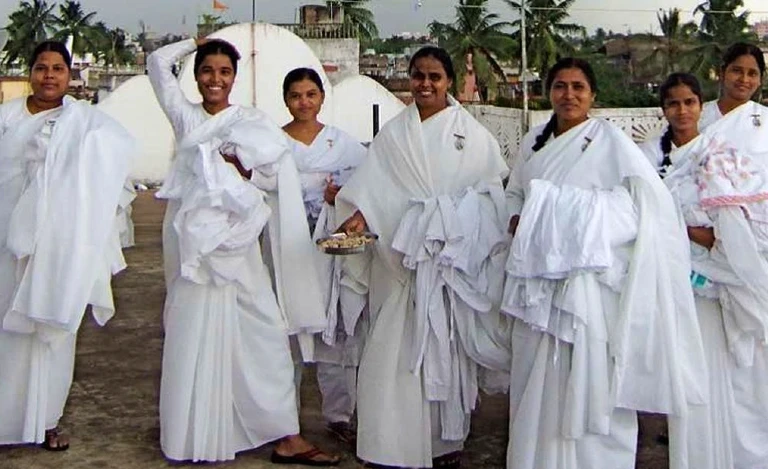
BRAHMA KUMARIES
Introduction: Brahma Kumaris, officially known as ‘Prajapita Brahma Kumaris Ishwariya Vishwa Vidyalaya’ is a worldwide spiritual movement. It is dedicated to personal transformation and world renewal. Founded in 1936 in Hyderabad, Sindh (then a part of undivided India) by Prajapita Brahma, Brahma Kumaris has spread to over 137 countries in 5 continents of the world and has had an extensive impact on all sections of the society. It is working as an international NGO, associated with the United Nations Department of Public Relations. The organization is committed to help individuals transform themselves, based on the